Why Rishikesh Is the Ideal Destination for Yoga Teacher Training
Wiki Article
Rishikesh has become a global benchmark for yoga education, offering teacher training programs that are structured, immersive, and aligned with traditional practices. For individuals aiming to move beyond casual practice and develop professional-level skills, yoga teacher training in Rishikesh provides a systematic and disciplined framework. These programs are designed to build competency across physical practice, theoretical understanding, and real-world teaching ability.
Program Levels and Learning Pathway
Yoga teacher training in Rishikesh is typically divided into three levels: 100-hour, 200-hour, and 300-hour certifications. Each level represents a distinct stage in the learning process.
The 100-hour program focuses on foundational elements such as basic postures, breathing techniques, and introductory meditation. It is suitable for beginners or those seeking a short-term structured experience.
The 200-hour program is the most recognized certification for teaching yoga. It provides a comprehensive understanding of yoga practice, theory, and teaching methodology. This level serves as the entry point for professional instruction.
The 300-hour program is an advanced course designed for individuals who have already completed a 200-hour certification. It emphasizes advanced practices, deeper theoretical study, and refinement of teaching skills.
Curriculum Design and Knowledge Areas
Yoga teacher training in Rishikesh follows a multi-layered curriculum that integrates practical and theoretical components.
Asana Practice
Students are trained in traditional yoga styles such as Hatha and Ashtanga. The focus is on alignment, posture correction, and controlled transitions. This builds strength, flexibility, and body awareness.
Pranayama
Breathing techniques are taught to regulate energy flow and improve concentration. These practices play a critical role in maintaining physical and mental balance.
Meditation
Regular meditation sessions help students develop focus, awareness, and emotional stability. This component supports mental clarity and long-term practice.
Yoga Philosophy
Students explore classical teachings that define the principles and ethics of yoga. This provides a deeper understanding of yoga as a holistic discipline.
Anatomy and Physiology
Knowledge of body mechanics is essential for safe practice. Students learn about muscle engagement, joint movement, and injury prevention.
Teaching Methodology
This component prepares students for professional teaching. It includes class structuring, communication techniques, and practical teaching sessions.
Daily Routine and Learning Discipline
A yoga teacher training program in Rishikesh follows a structured daily schedule designed to maximize learning efficiency. Mornings begin with meditation and pranayama, followed by 100 Hour Yoga Teacher Training Course in Rishikesh India an asana session. These practices help activate the body and sharpen mental focus.
After breakfast, students attend theory classes covering subjects such as philosophy and anatomy. Afternoon sessions include workshops, alignment training, and teaching practice. Evenings may involve relaxation techniques or independent study.
This disciplined routine ensures that students remain engaged and make consistent progress throughout the course.
Residential Model and Environment
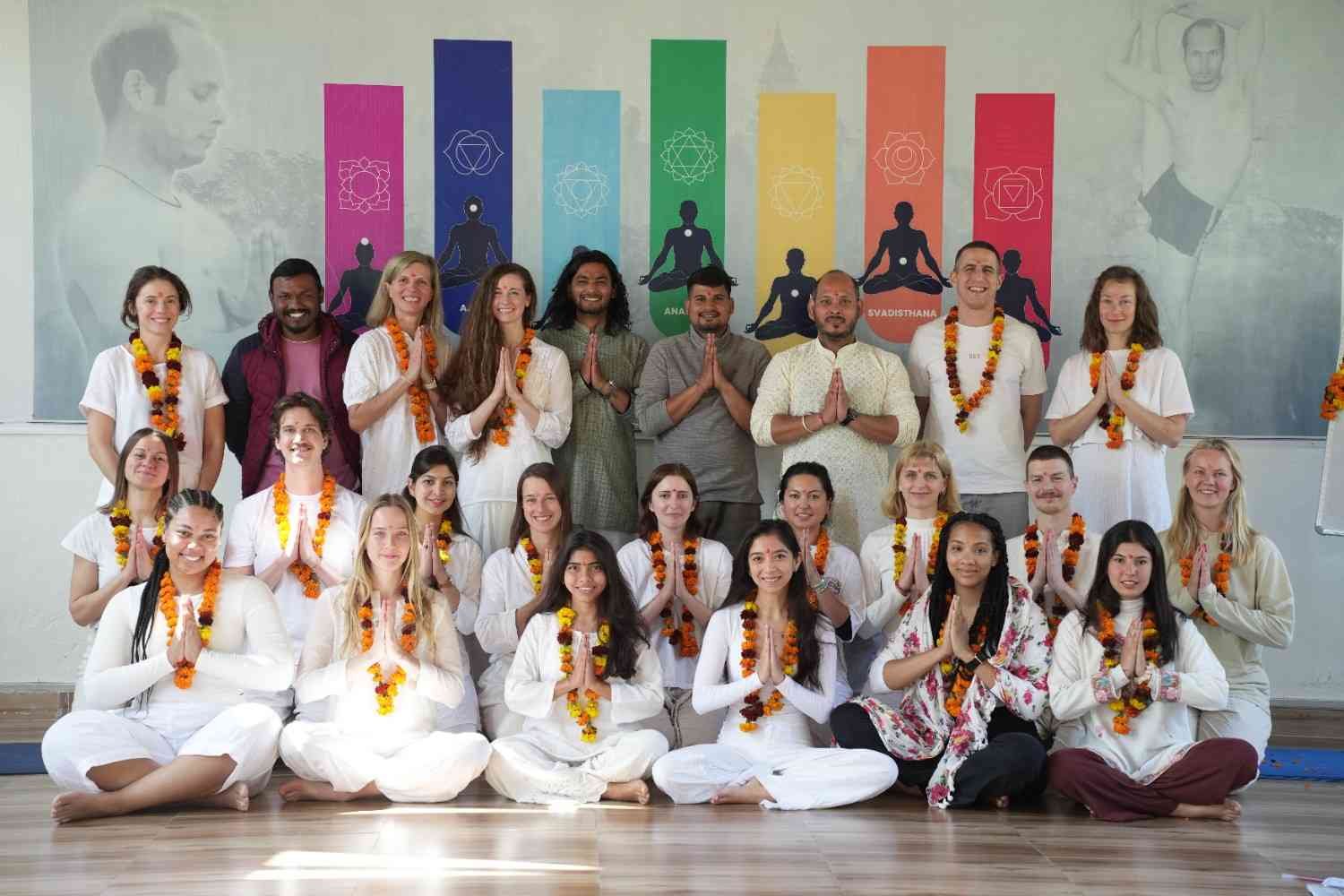
Most yoga teacher training programs in Rishikesh are residential. Accommodation and meals are included, allowing students to fully immerse themselves in the training process. The living conditions are typically simple, supporting a focused and distraction-free lifestyle.
Meals are generally vegetarian and aligned with yogic dietary principles. This helps maintain physical health and mental clarity during the course.
The surrounding environment of Rishikesh contributes significantly to the learning experience. The peaceful atmosphere supports concentration, reflection, and personal growth.
Practical Training and Skill Development
A key feature of yoga teacher training in Rishikesh is the emphasis on practical application. Students participate in teaching practice sessions, where they apply their knowledge and receive feedback from instructors.
By the end of the program, students are expected to:
Demonstrate correct alignment in essential yoga postures
Understand sequencing and class design
Deliver clear and structured instructions
Modify practices based on individual needs
Conduct a complete yoga session independently
These skills ensure that graduates are prepared for real-world teaching environments.
Career Opportunities and Growth
Completing a yoga teacher training course in Rishikesh opens up multiple career paths. Graduates can work as yoga instructors 100 Hour Yoga Teacher Training Course in Rishikesh India in studios, wellness centers, or fitness facilities. Many also choose to offer private sessions or teach online.
Further specialization is possible through advanced certifications in areas such as therapeutic yoga, meditation, or advanced practice techniques. Some individuals integrate yoga into broader careers in health and wellness.
Conclusion
Yoga teacher training in Rishikesh offers a structured and disciplined approach to learning that combines physical practice, theoretical study, and practical teaching experience. The progressive course levels, comprehensive curriculum, and immersive environment make it a reliable pathway for both personal development and professional growth. For those committed to mastering yoga and sharing its benefits, Rishikesh remains one of the most effective destinations for training.